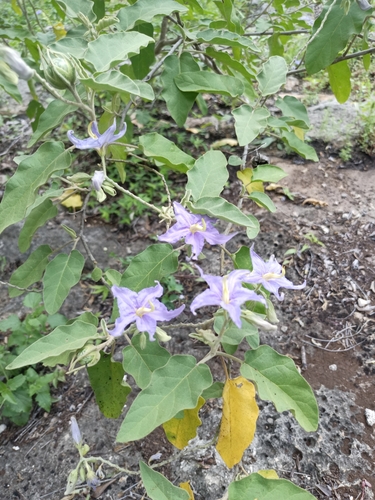
 Research Grade
Sierra Madre nightshade
Solanum houstonii

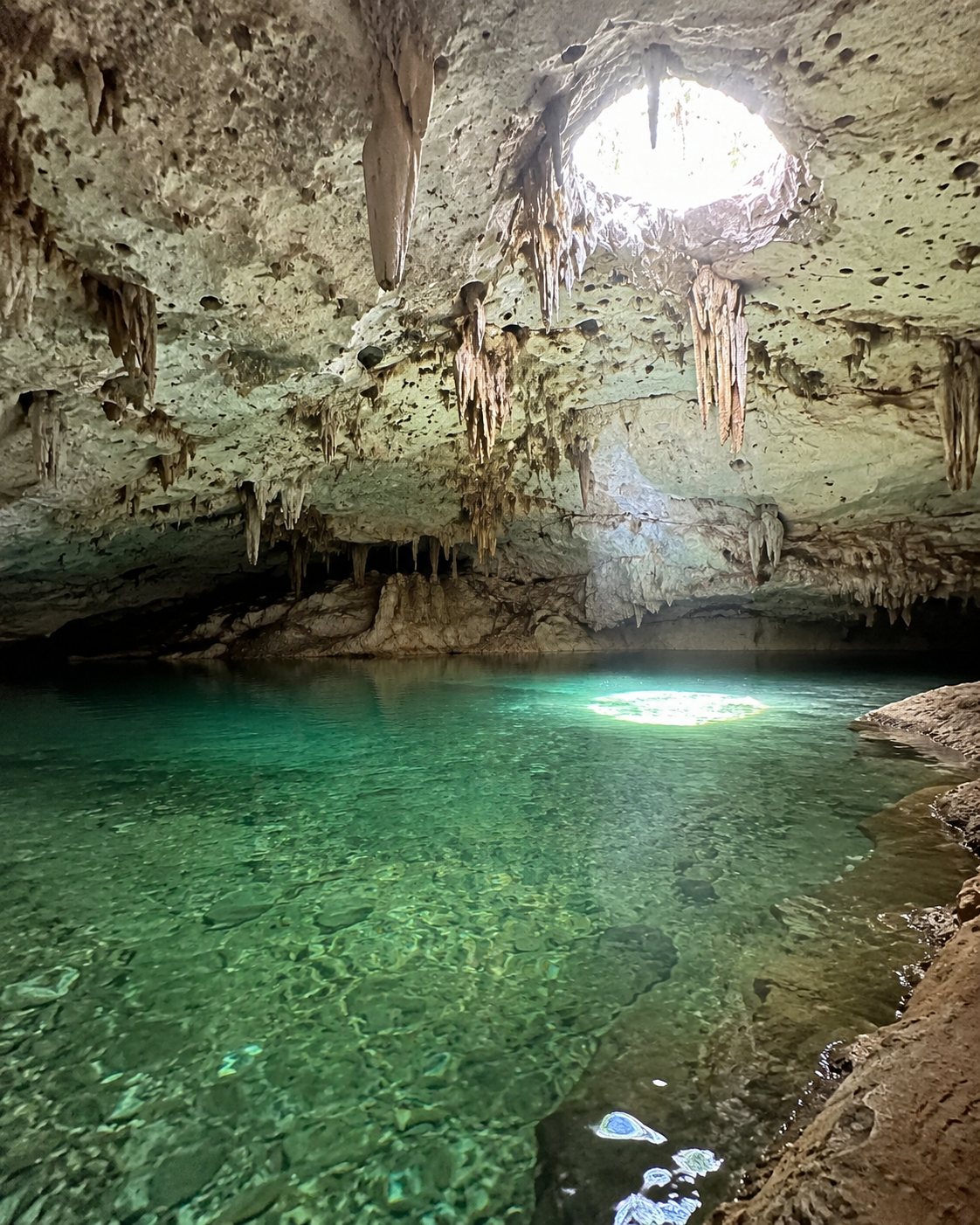
A cenote whose Maya name means “Hidden.” It is known for its stalactite and stalagmite formations and is a place of cultural and historical importance where Maya rituals and offerings were once held. Access is along an unpaved road 2 km from the centre of Homún.
Its Maya name means “that which is hidden.”
Confirm hours before visiting.
Bal Mil is in the municipality of Homún. Use the map to understand the area and open directions to navigate.
Public iNaturalist observations within a 1 km radius.
The number of records also reflects observation effort. These data do not by themselves represent a complete inventory, water quality or the ecological health of the cenote.
How we interpret these data →Research GradeSolanum houstonii
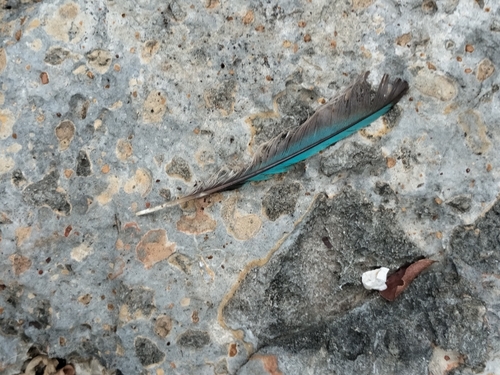 Research Grade
Eumomota superciliosa
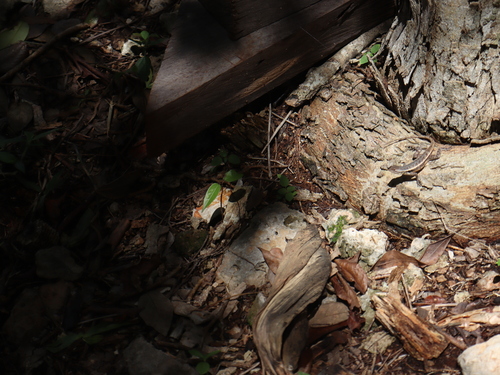 Research Grade
Sceloporus chrysostictus
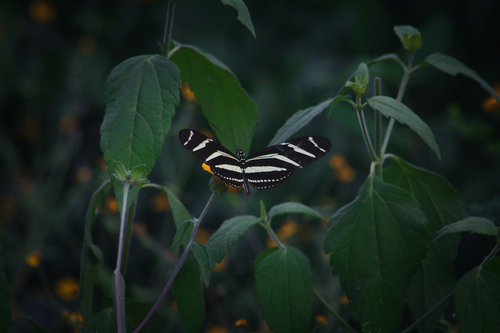 Research Grade
Heliconius charithonia vazquezae
Community data obtained from iNaturalist. Identifications may change with new community contributions. Sensitive locations are shown approximately.
Last updated: August 3, 2026
Confirm hours before visiting.
Prepare your visit →Send the correct information and, when possible, a photograph or link that helps us review it.
Report a change →